 Skip to content
✨ New Year Offer: Up to 20% off ·
Begin 2026 with something handmade ✨
✨ New Year Offer: Up to 20% off ·
Begin 2026 with something handmade ✨

Peony Pink to Pine Green: Botanical-Inspired Jewelry

Peony Pink to Pine Green: Botanical-Inspired Jewelry — TibetanTwist
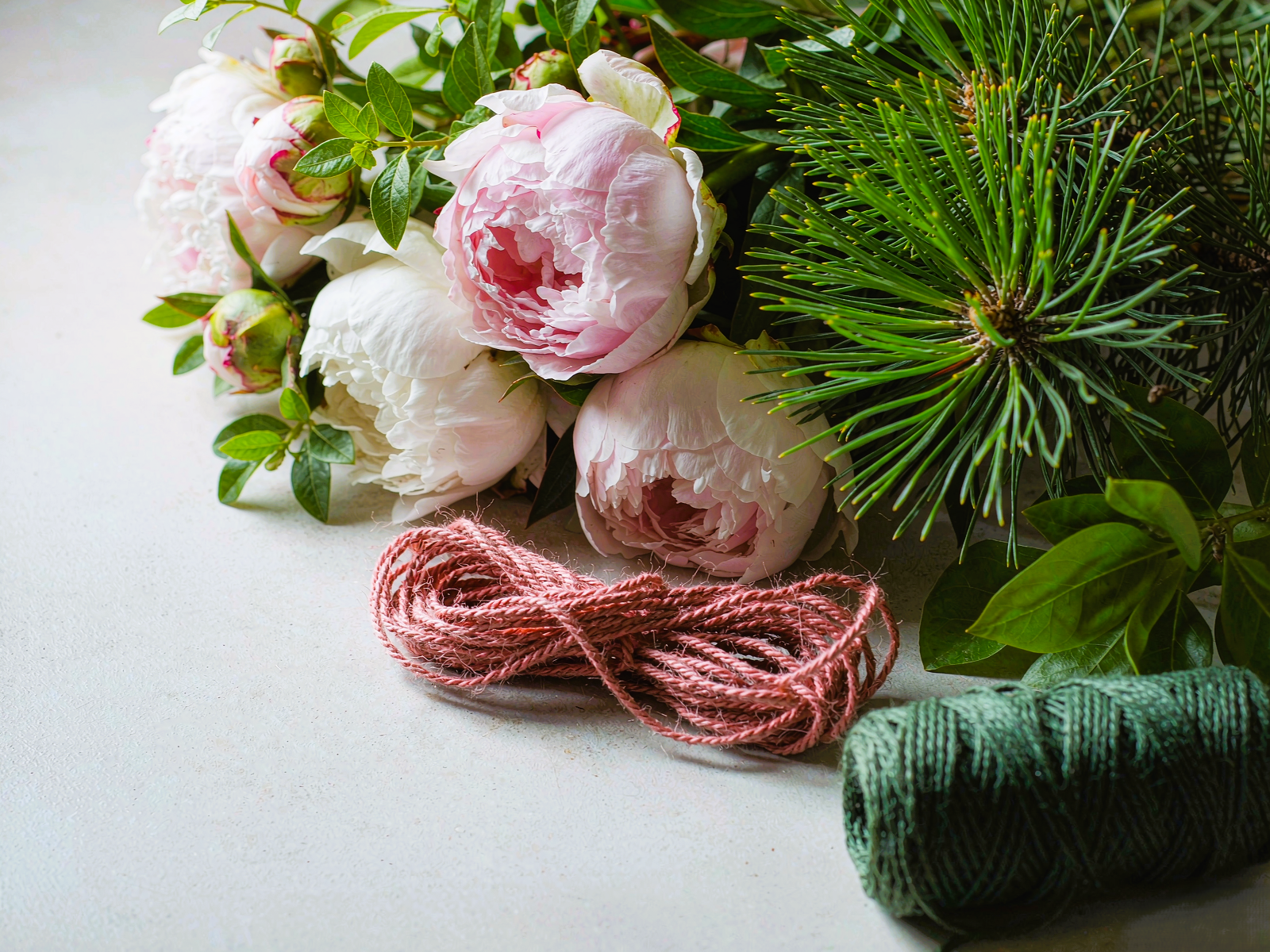
Every garden holds a color chart if you know how to read it. Peonies blush against green leaves. Pine needles deepen into forest tones. Moss spreads across stones in quiet grey-green. At TibetanTwist, we do not invent palettes in front of a screen. We find them outside, then weave them by hand into botanical-inspired jewelry you can wear every day.
The Garden Is Our First Color Swatch
Before any cord is cut, we walk. We look at how peony pink fades into cream at the petal edge. We notice how pine green turns almost black in shadow, then softens where the sun hits. These are not abstract color ideas pulled from a trend report. They are living gradients, and they change with the hour and the season.
Our design process starts with a small collection of found botanicals. A peony petal. A pine sprig. A seed pod. A handful of moss. A dried leaf that has turned the color of cinnamon. We lay them on the workbench next to spools of waxed cord and ask a simple question: which color already exists here, and how do we keep it honest?
Sometimes the answer comes quickly. A coral thread matches the inside of a poppy. A sage cord mirrors the underside of a eucalyptus leaf. Other times we spend an afternoon holding different greens against a pine branch, trying to catch the exact tone that lives between sunlight and shadow. That is the moment when a palette becomes real.
This is what sets botanical-inspired jewelry apart from factory-made pieces. The palette comes from a real place. The cord is chosen to match the subtle shifts we see in nature. No two pieces are identical because no two gardens are identical. Each bracelet is one of a kind, made by hand, one at a time.
We also pay attention to the time of day. A peony at noon is a different pink than the same peony at dusk. A pine branch after rain carries a darker green than the same branch under dry sun. These small observations shape the final piece. When you wear a handwoven bracelet in peony pink or pine green, you are wearing a specific moment, not a generic idea.
From Peony Pink to Pine Green: Two Palettes You Can Wear
We return again and again to two palettes in our studio. The first is peony pink paired with soft cream and a whisper of sage. It is the color of early summer, of petals just before they open, of light through a garden wall at mid-morning. The second is pine green with earth brown and a thread of grey. It is the color of shade under evergreens, of bark after rain, of paths that lead deeper into the woods.
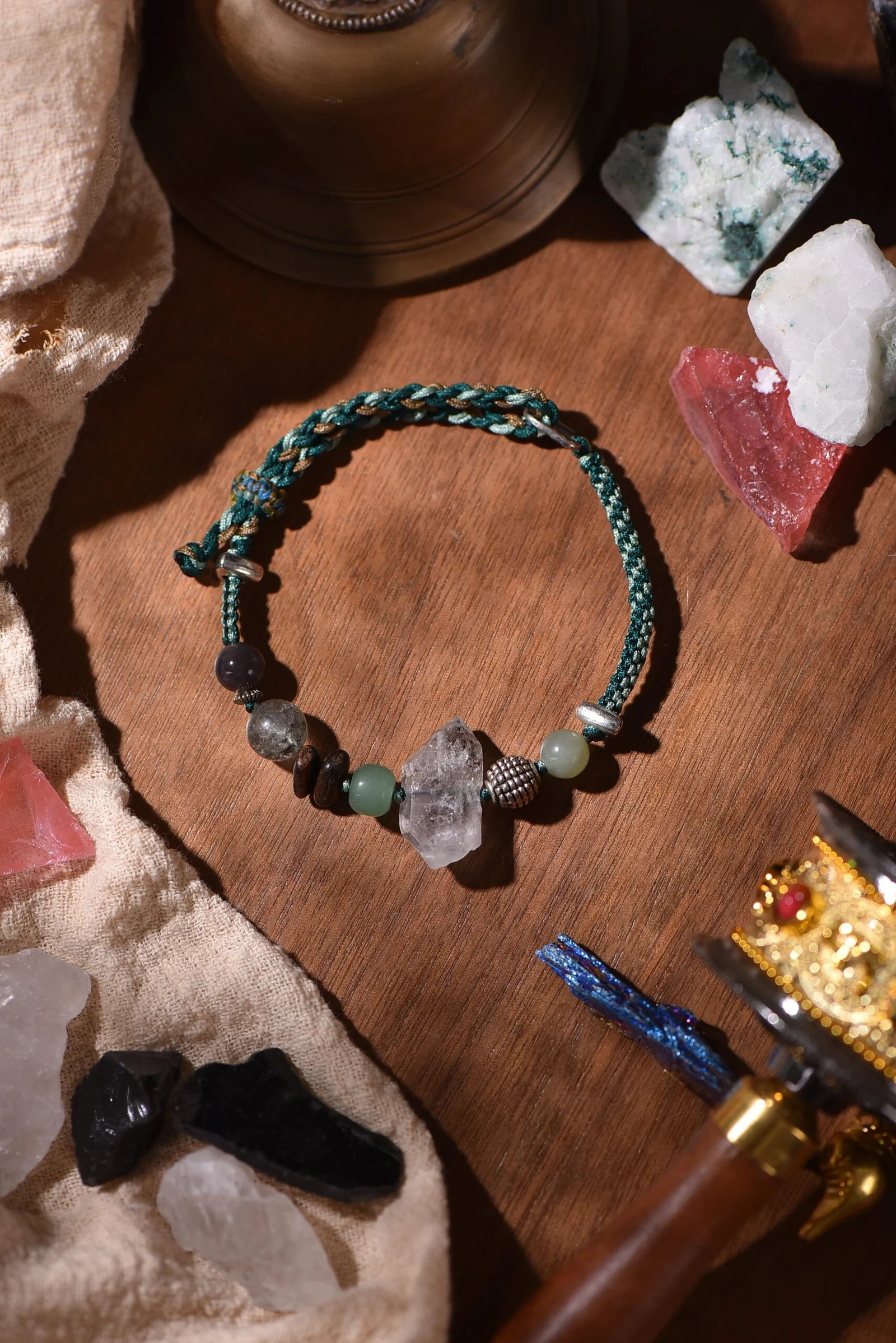
These palettes appear across our collections. A handwoven bracelet in pine green and earth brown carries the Five Elements Wood palette. It looks like moss growing over old wood, like ferns uncurling after a storm. A handwoven bracelet in deep brown and forest green brings the Capricorn Earth-Weaved palette into the same botanical world. It is quieter, more grounded, like soil beneath pine needles, like the moment before dusk.
We also love the moment when these two palettes meet. Peony pink next to pine green is unexpected. It is flower against evergreen. Soft against structured. Warm against cool. This contrast is where our most interesting pieces live, because it mirrors what we actually see when we look at a garden: not one flat color, but many colors arguing and agreeing with each other at once.
Why Botanical-Inspired Jewelry Feels Like Wearing the Outdoors
There is a reason people reach for garden colors. They are familiar without being boring. A peony pink cord reminds you of something you saw on a walk. A pine green bracelet recalls a trail you once took. The connection is visual and tactile, rooted in memory rather than in any fixed meaning.
Our pieces are made to carry that connection lightly. We use waxed cord because it ages like natural material. It softens. It takes on the oils of your skin and the light of your days. Over time, the color becomes more yours, the way a garden path becomes more familiar each time you walk it.
This is slow-made work. Each knot is tied by hand. Each piece is one of a kind. We do not mass-produce palettes. We respond to what the season gives us, whether that is a bright poppy in July or a dried seed head in November. The garden is generous, and it never repeats itself exactly.
There is also a difference between looking at a color and wearing it. A garden color on a screen is flat. The same color wrapped around your wrist moves with you. It catches different light, touches your skin, becomes part of your posture. That is why botanical-inspired jewelry works so well as daily wear. It does not ask for a special occasion. It simply joins you where you already are.
What We Leave Out
Botanical-inspired jewelry is not only about the colors we include. It is also about the colors we refuse. You will not find neon brights in our studio. You will not find plastic-looking primaries. Those colors have their place, but they do not come from the garden.
Instead, we look for the muted notes: the dusty rose of a petal about to fall, the greyed green of sage after flowering, the warm brown of a seed pod split open. These colors ask more of the eye, but they reward it too. They live comfortably next to skin, next to linen, next to denim. They do not shout. They settle in.
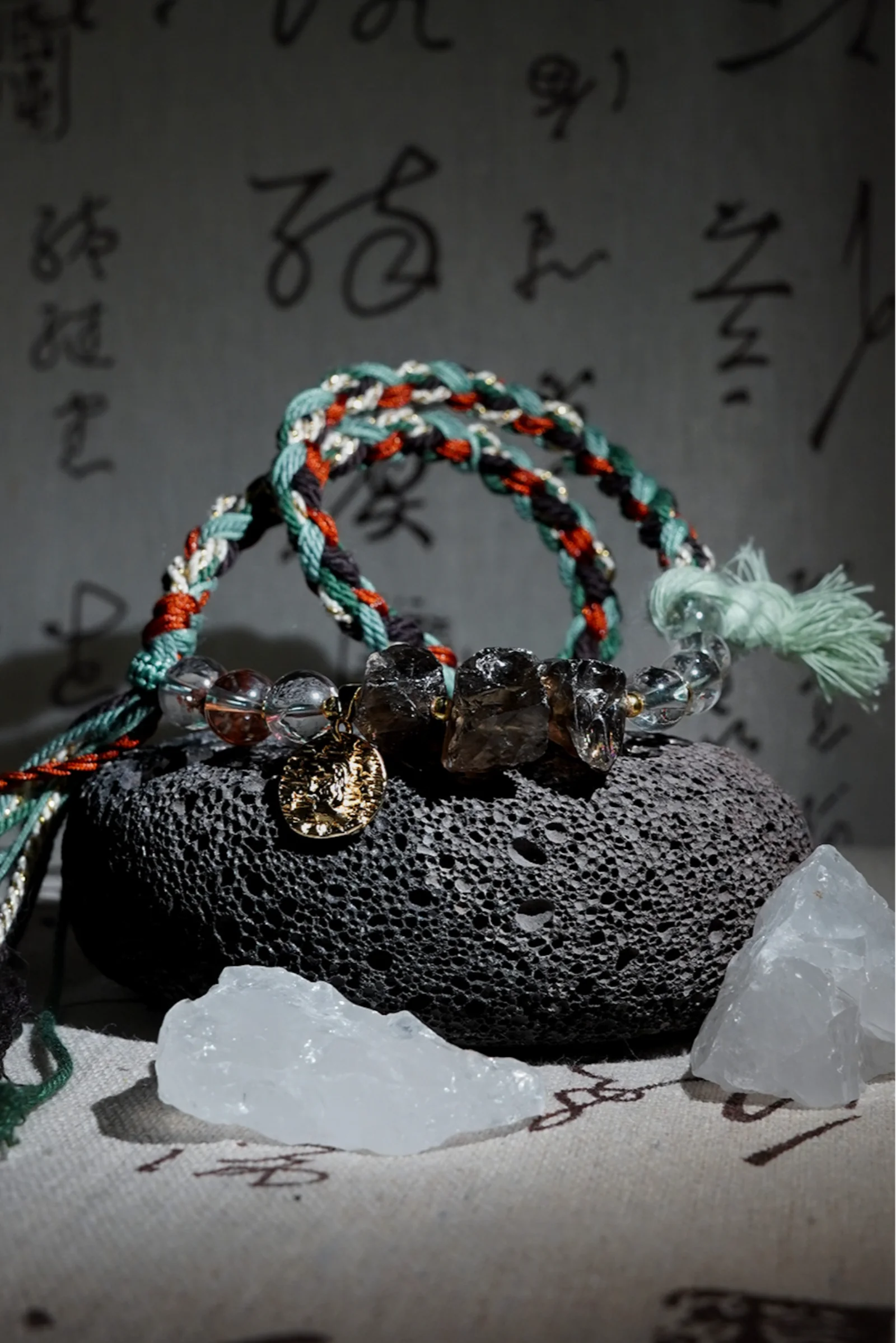
The material matters too. Waxed cord holds dye in a way that feels organic. It does not gleam like synthetic thread. It has a slight matte finish, a soft texture, a willingness to age. When paired with natural stones or brass accents, the colors feel even more rooted. The whole piece reads as something that grew, not something that was manufactured.
How to Style Your Garden Palette
Botanical-inspired jewelry is easy to wear because it borrows colors from the world around you. Here are four simple ways we style it in the studio.
Let one piece speak. A pine green and earth brown handwoven bracelet needs no competition. Wear it with a plain linen shirt or a cream sweater. The colors do the work.
Mix two garden palettes. Try peony pink near pine green. The contrast is fresh without being loud. Keep metals minimal. Let the cord colors be the focus.
Layer by texture. Pair a handwoven bracelet with a simple leather band or a thin chain. The waxed cord holds its own. The mix feels collected, not matched.
Dress for the season. In spring, lean into peony pink and soft sage. In autumn, reach for pine green, earth brown, and a thread of ochre. The same botanical-inspired jewelry will feel different as the year turns, because it was already connected to the outside world.
For pieces that fit these palettes, look at our Five Elements Wood handwoven bracelet, our Capricorn Earth-Weaved handwoven bracelet, and our Five Elements Earth handwoven bracelet. Each one carries a different garden story. Browse the full bracelets collection to find the palette that belongs to you.
Nature, woven by hand. Color, woven into stories.
Want garden palettes in your inbox? Join our newsletter for new color stories, studio notes, and first looks at fresh handwoven pieces.
