 Skip to content
✨ New Year Offer: Up to 20% off ·
Begin 2026 with something handmade ✨
✨ New Year Offer: Up to 20% off ·
Begin 2026 with something handmade ✨

Your First Handwoven Piece: Try the Hand Test | TibetanTwist

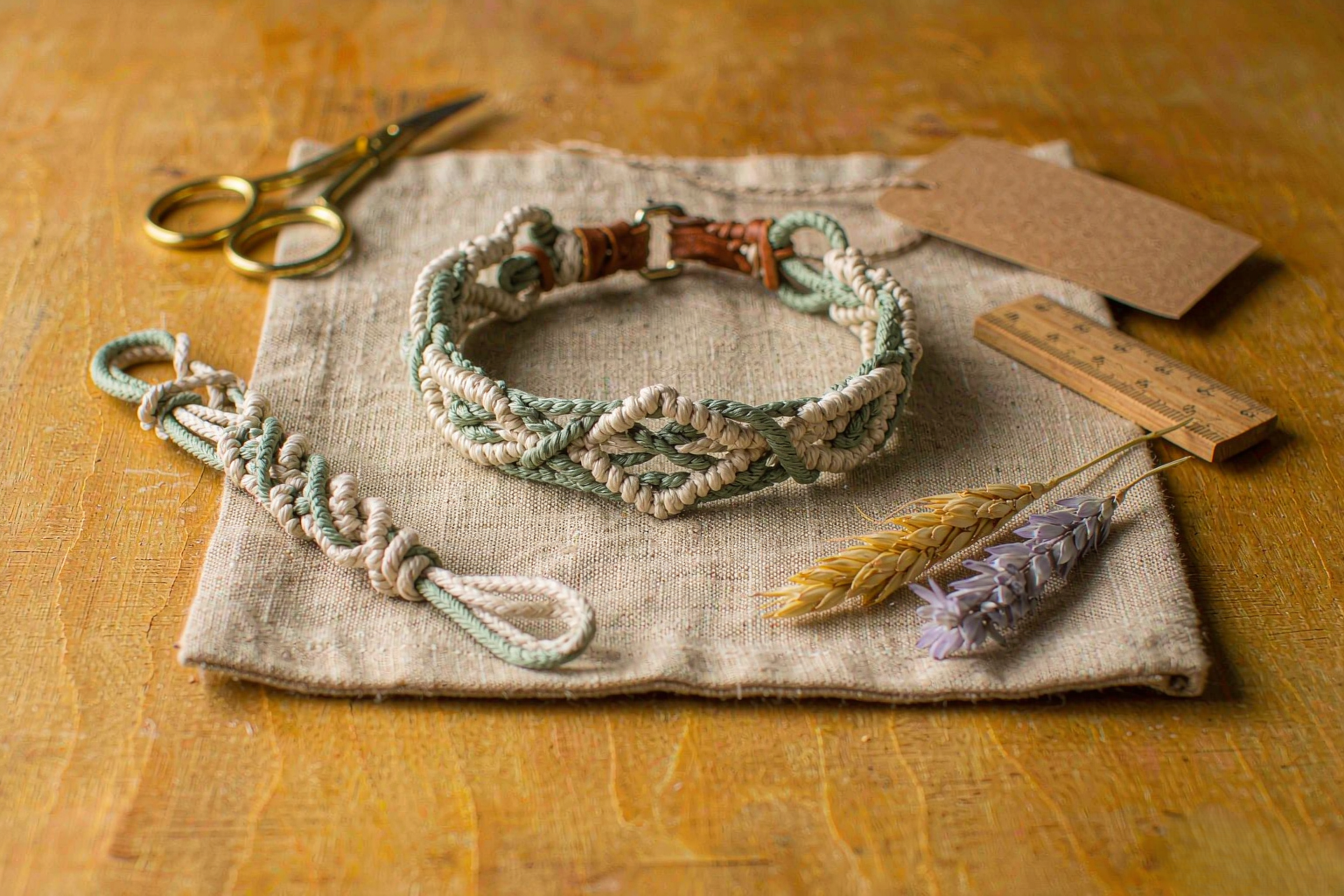
Last week a friend came to the studio to pick her first handwoven piece. She stood in front of the shelf for a long minute, then said, “Can I close my eyes?” We handed her five bracelets, one at a time. She weighed each one in her palm, ran a thumb across the knots, and chose the third without ever looking at it. Her eyes only confirmed what her hands already knew.
That afternoon changed how we explain buying to first-timers. Most guides start with color. Color matters, and we will get there. But a bracelet is the one piece of jewelry you touch all day — you feel it when you type, when you roll dough, when you push hair off your face. So before your eyes vote, let your hands. Here is the hand test we walked her through, and the small bits of craft knowledge that make sense of what you feel.
What Your Hands Notice Before Your Eyes Do
Pick the bracelet up. The first thing to notice is weight. A woven cord bracelet should feel almost nothing like chain — light, but not hollow. Ours sit around a few grams heavier than a ribbon, because the cord carries wax and the knots carry density. If a piece feels like air all the way through, the knots are probably loose. If it feels like a pebble, something has been over-tightened and the cord will fight your wrist instead of settling into it.
The second thing is stiffness. Bend it gently into a circle. A good waxed cord bracelet flexes, holds the curve for a second, then relaxes. That memory comes from the wax. We coat our cords in beeswax before knotting, which is why the surface feels slightly dry-matte rather than slippery — the wax grips the fibers the way wax grips thread in bookbinding. Flexibility that bounces straight back means too little wax and the knots will soften early; stiffness that refuses to curve means the cord is over-waxed and will crack lines into itself within a season. Somewhere in the middle is where your hands should smile.
}
The Two-Finger Fit, and Why One Number Lies
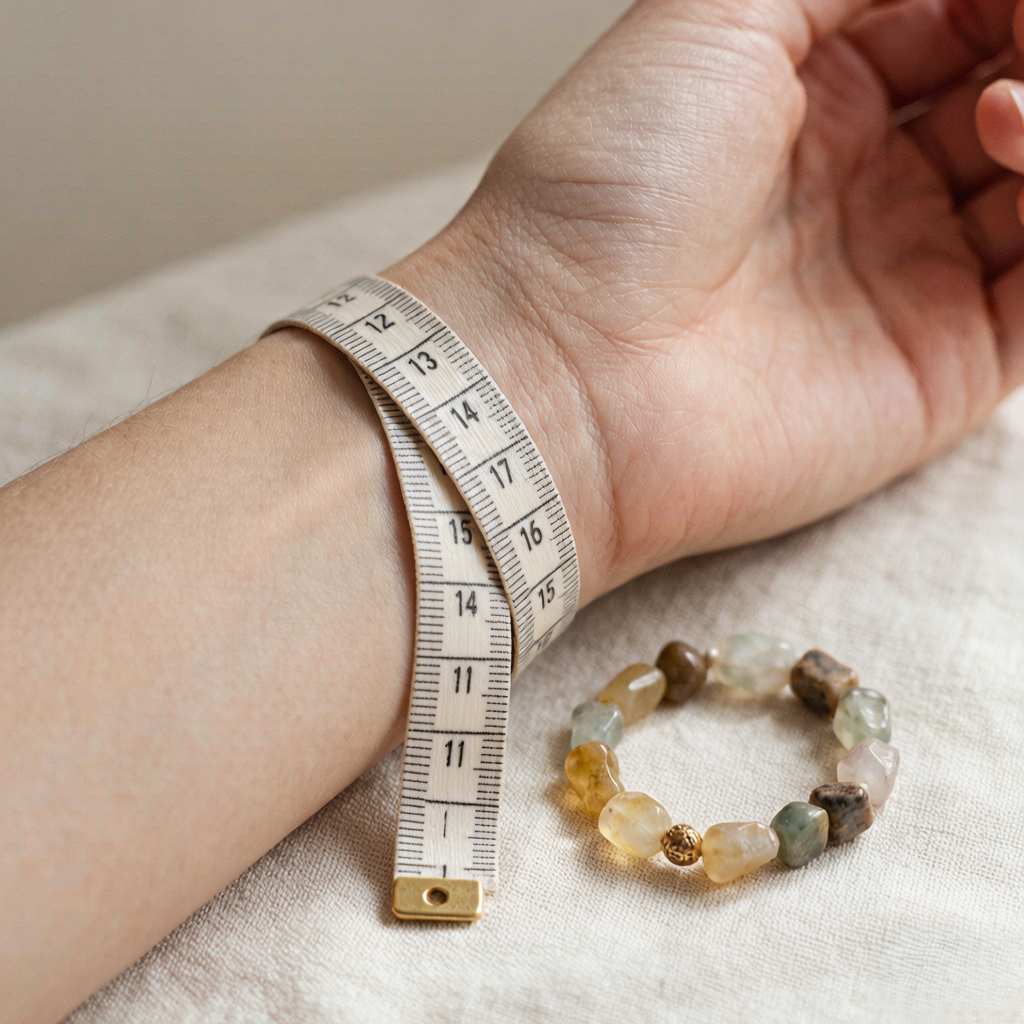
Fit is where most first purchases go wrong, and it is not your fault. Wrist sizing charts give you one number, but a woven bracelet sits differently from a bangle. It has thickness. It has texture. It will spread slightly over the bony part of your wrist in the morning and sit snugger after a salty lunch.
Here is the rule we teach at the worktable: close the bracelet around your wrist and see how many fingers you can slide flat underneath. One finger means it will leave a cord-shaped dent by dinner. Three means it will spin and slowly work its way under your sleeve. Two flat fingers — snug, but with room for the cord to breathe — is the fit that disappears in a good way. You forget it is there, and then you notice it at odd hours, which is exactly what a daily piece should do.
}
Most of our woven bracelets solve this with an adjustable sliding knot, the same closure used in macramé for centuries. The knot works by friction: the cord passes twice through a channel of its own wraps, and the wax stops it from creeping on its own while still letting you move it when you mean to. Pull the two tail cords apart to tighten, slide the wrap to loosen. Check that the slider moves with a firm, even resistance — a slider that glides too easily will not hold through a workday.
Read the Knots Like a Signature
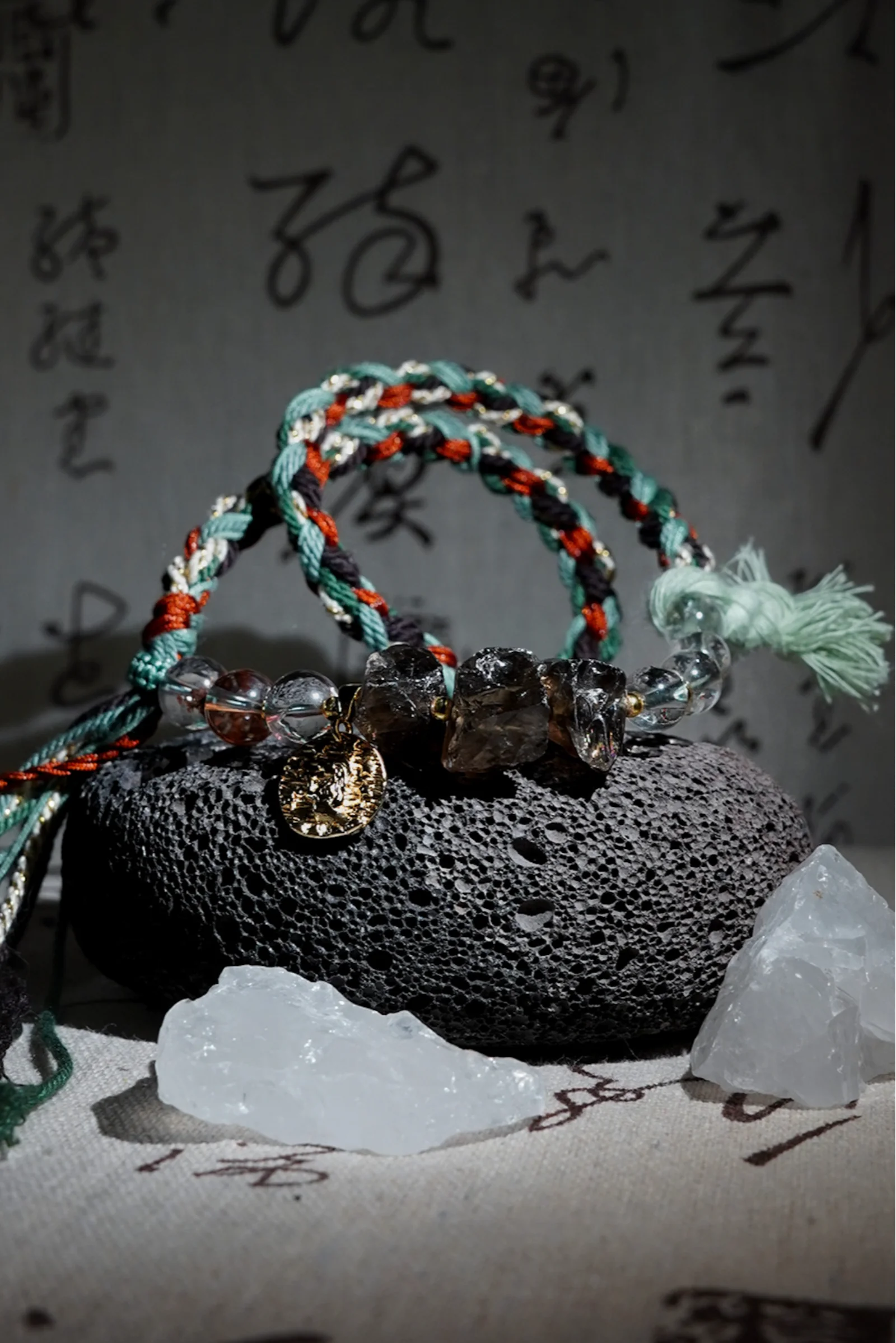
Once the fit feels right, bring the piece close and look at the knot pattern. On a machine-made braid, every repeat is identical, the way a printed page is identical. On a handwoven piece, the repeats rhyme but do not copy. One knot a hair wider. One section where the tension ran slightly tighter because the cord was warm from a long afternoon of work. This variation is not a defect. It is the reason no two pieces are alike — each bracelet carries the rhythm of the pair of hands that tied it.
}
A few honest checks while you are there: the tension should be consistent within a few millimeters across the whole band; the cord ends should be tucked or bound, never left to fray; and the color should run true through the knots, not pooled lighter at the joins. If you ever hold one of ours, you may also notice a faint beeswax-and-fiber smell, the same dry-sweet scent of a honeycomb frame or a well-kept workshop. It fades to nothing within days, but on day one it tells you the wax is real.
Take the Test Home
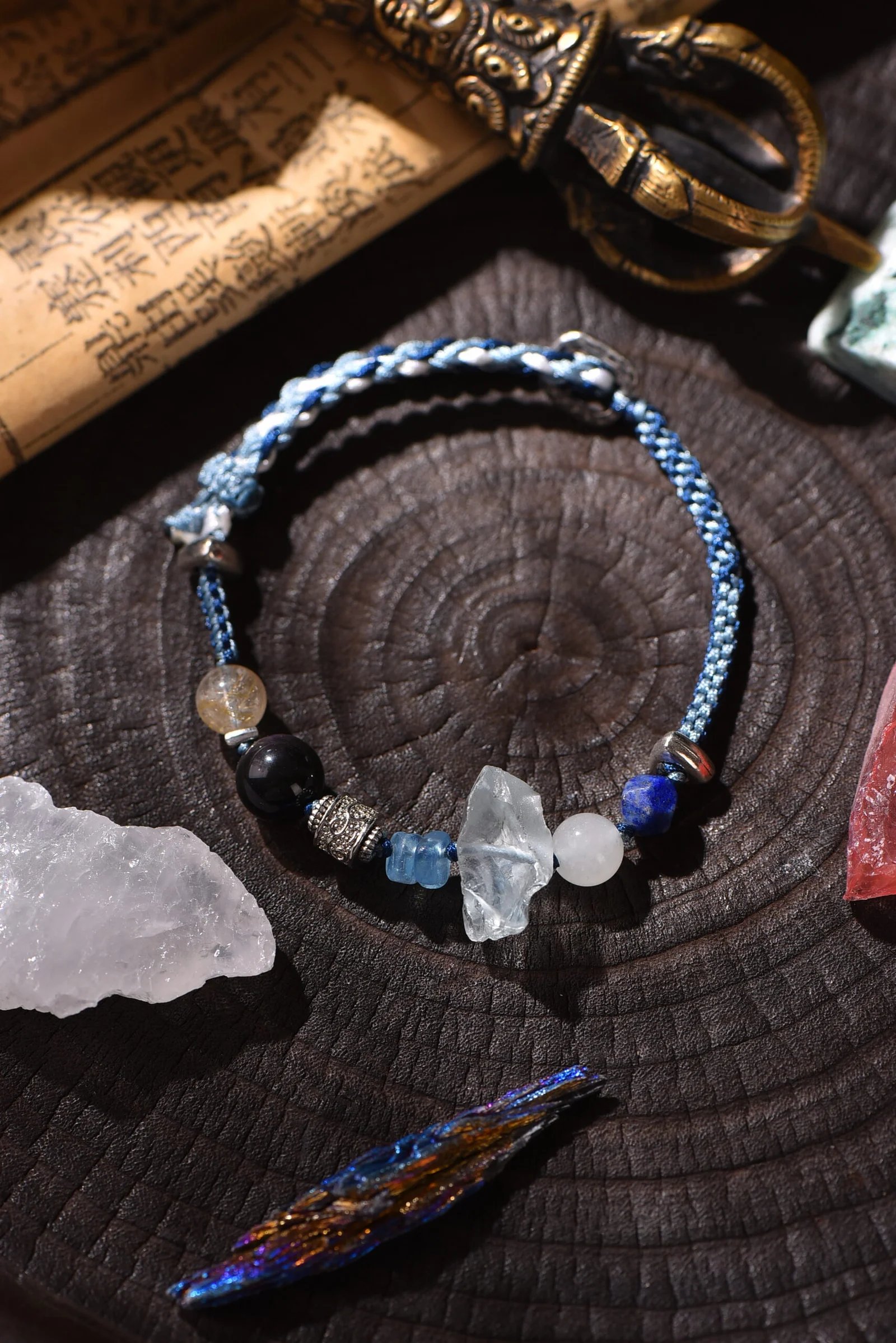
Everything above you can do in thirty seconds at a table, and it works just as well through a screen: read the weight in the photos, check that the listing shows the adjustable knot, and ask what the cord is waxed with. Then let your eyes finally vote on color — the part your hands cannot judge from across the room.
}
If deep, grounded tones are where your eye lands, the deep brown and forest green handwoven bracelet from our earth-tone series is the one people pick when they want a color like turned soil after rain. If you are drawn to skies, our monsoon-blue and white single-strand woven bracelet carries the exact blue of rain light over water. And if your palette runs soft, the pink and blue breeze-woven bracelet pairs peony pink with morning-sky blue in one slim band. You can browse the full range in our handwoven bracelets category — every piece there is made by hand, one at a time, and no two are alike. More care notes and buying guides live in our care and buying guide journal.
Nature, woven by hand. Color, woven into stories.
If you would like one short letter from the studio each week — what we wove, what we noticed, what color the light was — you can join our email list below. No noise, just the notebook.
