 Skip to content
✨ New Year Offer: Up to 20% off ·
Begin 2026 with something handmade ✨
✨ New Year Offer: Up to 20% off ·
Begin 2026 with something handmade ✨

Colorful Handmade Jewelry: Lessons from the Flower Stall | TibetanTwist

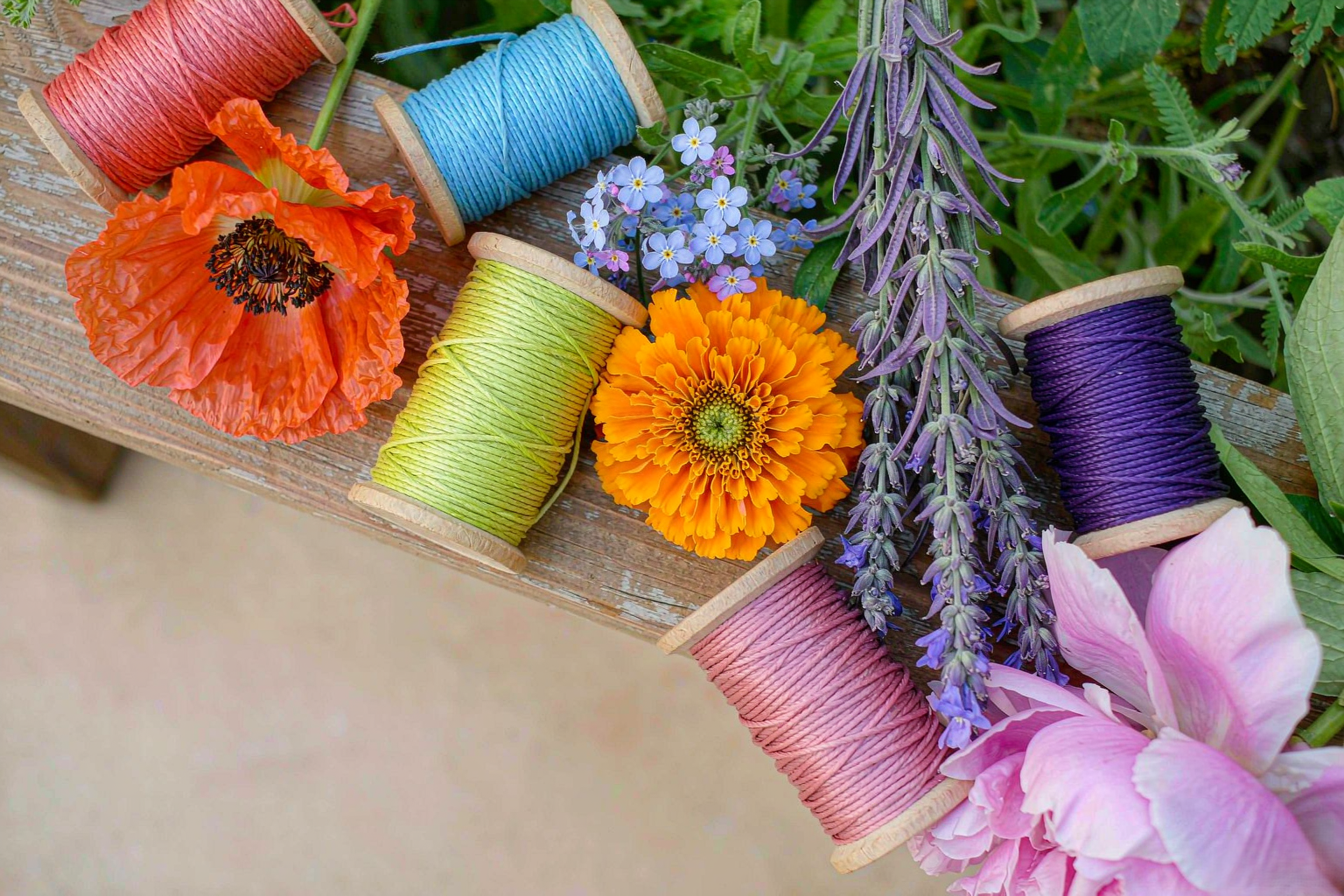
The flower stall opens before we do. By seven, the buckets are lined up in the alley: peonies in the full pink of early June, snapdragons in a pine-adjacent green, one bunch of oxblood-dark dahlias leaning against the white bucket edge. We buy thread, not flowers, but we never leave the stall without a lesson. Flowers have been solving the problem of color for longer than any of us have been knotting. Watching how a grower builds a bunch teaches most of what we know about making colorful handmade jewelry that does not shout.
Every Stem Sits Beside a Neighbor
Stand at a flower stall and look at how the buckets are arranged. Not by contrast. By neighbors. The deep-pink peonies sit next to a blush ranunculus, which sits next to a cream stock, which sits beside a pale green hydrangea. The grower never puts two loud colors against each other. She builds a ladder of near-colors, each step small, so the eye climbs gently from one stem to the next. Nobody taught her this in a classroom. Generations of market mornings taught her.
That is exactly how we build a palette on the cord. A bracelet that goes from oxblood straight to blush-pink in one knot feels like a slammed door. The same bracelet with a muted berry strand and a dried-rose strand between them feels like a walk through the garden in late July. In our fern-green and earth-brown handwoven bracelet, the green never meets the brown head-on—a paler moss strand always stands between them, the way young leaves soften the edge of a shadow. The knot holds the strands together; the nearness of the hues holds the eye.
Try it at home with anything: a scarf, a shelf of books, a bowl of fruit. Move the two loudest colors apart. Put a quieter cousin of each between them. It is the oldest trick in the flower trade, and it costs nothing. The difference is immediate—what felt busy starts to feel gathered, the way a bunch feels gathered even though nine different plants are in it.
Green Is the Quiet Connector
Here is something the flower stall knows that most jewelry does not: no bouquet is really just its flowers. Half of every bunch is green—stems, leaves, fern, ruscus—and the green is what lets nine different colors share one bunch without arguing. Green is the color that every other color already agrees with, because every other color grew up next to it. Peony pink grew up beside leaf green. Apricot grew up beside sage. Nothing in the garden has ever had to be introduced to green.
We lean on that constantly. A wrist full of pink, coral, and apricot strands can go sugary fast. Add one strand built around fern green and the whole stack lands—suddenly it reads as a garden, not a candy shop. The same works for blues with a sage neighbor, and for warm browns with a moss line running through them. Our pale green jade knotted bracelet exists for exactly this job: one quiet green piece that makes louder neighbors look intentional instead of accidental. Even worn alone, it carries a little of that foliage stillness of a stem you barely register in a bouquet—until you remove it and the whole bunch falls apart visually.
Florists call this foliage. We call it the strand you do not notice until you take it away. If a stack feels busy, the fix is rarely fewer colors—it is more green. This is also why so many of our palettes keep one green strand even when the brief says warm colors only: the green is not a color in the palette so much as the frame the palette sits in.
One Loud Stem Carries the Bunch
Watch the grower wrap a bunch and count the loud stems. One. Maybe two, if the season is generous. The peony that stops people at the stall sits in a bunch where every other element is quieter: dusty greens, a soft cream, a muted lilac. The loud stem is not competing—it is being framed. Remove the quiet stems and the peony looks like nothing; keep them and the peony looks like the whole reason the stall exists.
This is the rule we break most often when we first sketch a palette. Five saturated strands in a row and nothing holds the eye; it is all chorus, no lead. The palettes we end up loving almost always follow the flower-stall ratio: one strand at full voice, the rest at half. Look at our garden-bed multi-color handwoven bracelet: the herbal bead mix carries many hues, but the cord itself keeps them in a green-lined frame, so the color reads as one gathered bunch rather than a shelf of samples. The eye lands once, then wanders happily.
When you stack pieces, the same ratio applies across the whole wrist. One saturated bracelet, then quieter neighbors. The loud one looks louder. The quiet ones look considered. Three pieces chosen this way will read better than five pieces chosen by mood, and it is the same on any wrist, any season, any skin tone—because it is not about the colors themselves, it is about how much voice each one is given.
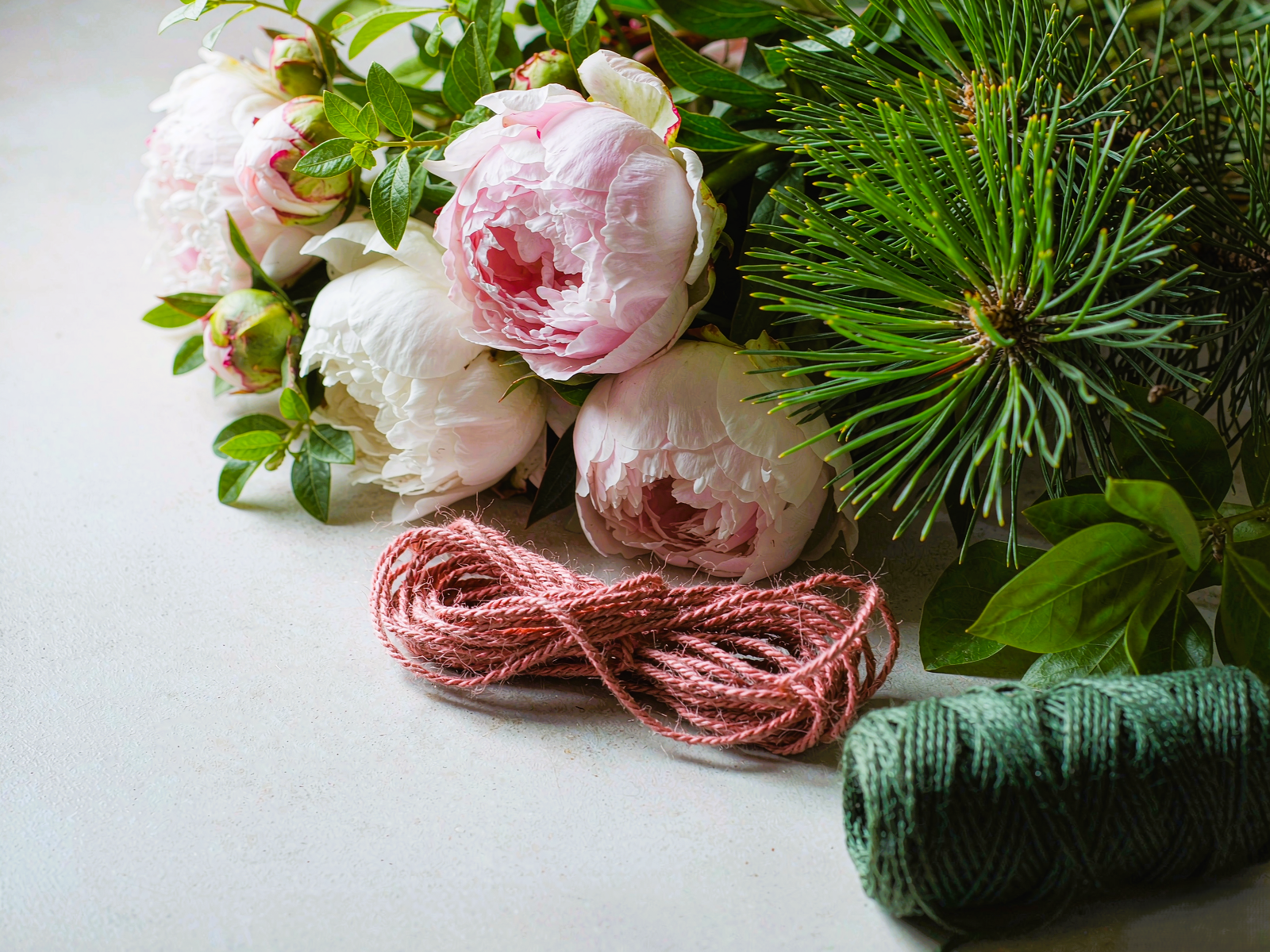
Which Pairing Would You Wear?
You do not need a flower stall to practice this. Walk any market road in bloom season and steal with your eyes: notice the ladder of neighbors, the green doing the quiet work, the single stem carrying the bunch. Then open your drawer and read your own bracelets the way a grower reads a bucket. Which piece is your loud stem? Which one is your green connector? Which pairing needs a quieter cousin between the colors?
If you are starting a stack from nothing, choose one lead piece and build neighbors around it. Our fern-green and earth-brown handwoven bracelet anchors warm palettes, the pale green jade knotted bracelet connects almost anything, and the garden-bed multi-color handwoven bracelet behaves like a gathered bunch on its own. Every piece is made by hand, one at a time, and no two knots are alike—you are choosing from the collections as they exist today, which is part of the pleasure. Browse the full range of color studies in our Color Stories journal and see which palette the season hands you.
And if you want the stall delivered in words—new palettes, pairing notes, and what our hands are knotting this week—join the newsletter below. One letter, now and then, the color of a market morning.
Nature, woven by hand. Color, woven into stories.
Want more color from the studio? Subscribe to the TibetanTwist letter — palettes, knot notes, and first looks at new one-of-a-kind pieces.
