 Skip to content
✨ New Year Offer: Up to 20% off ·
Begin 2026 with something handmade ✨
✨ New Year Offer: Up to 20% off ·
Begin 2026 with something handmade ✨

The Psychology of Color: How Colors Shape Emotions, Identity, and Everyday Decisions

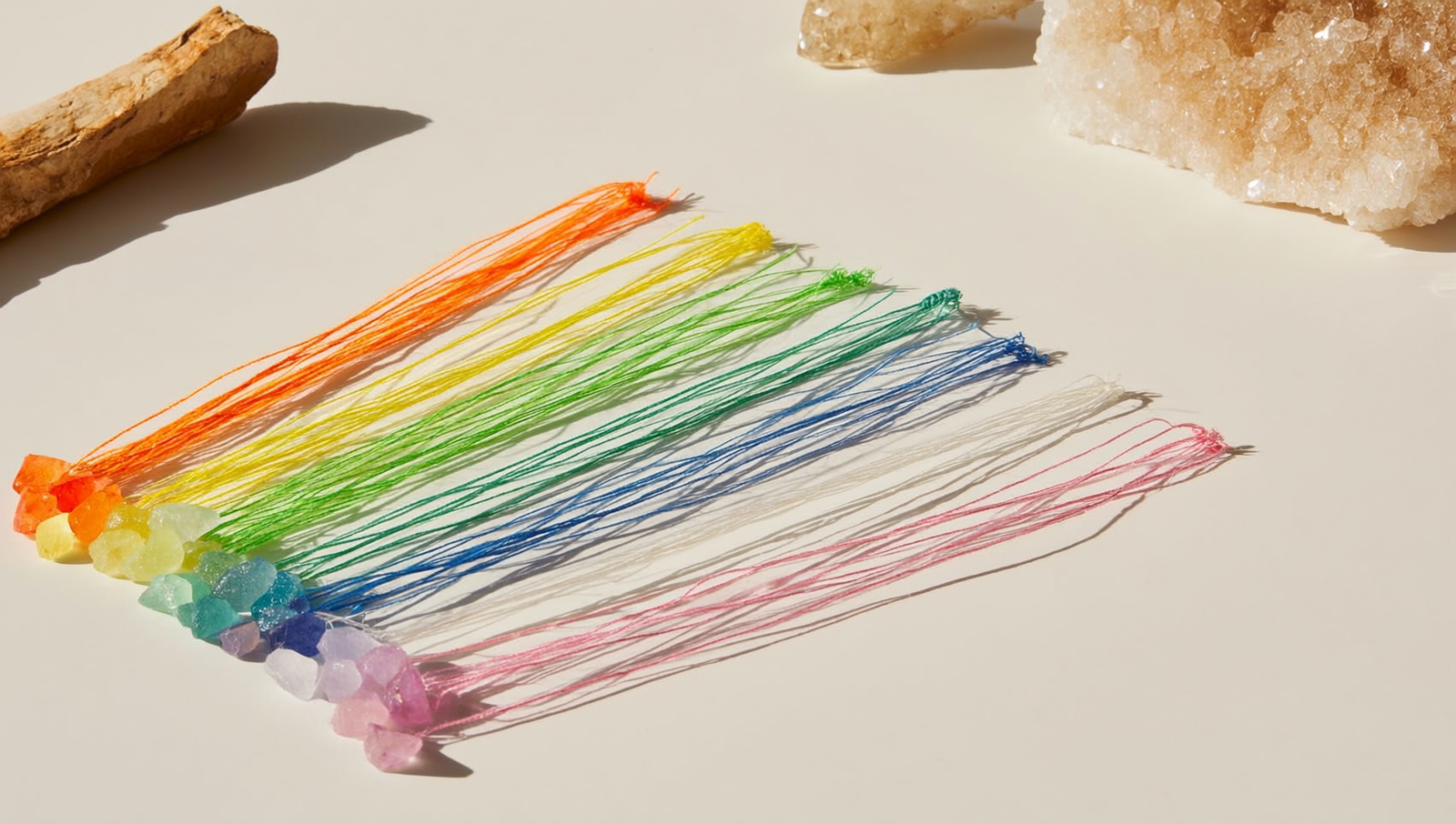
Color plays an essential role in our daily lives. It communicates messages without words, shapes emotional responses, and even influences the decisions we make. In fact, studies show that nearly 90% of quick judgments are affected—directly or indirectly—by the psychological impact of color.
Understanding what colors mean and how they affect people can help you intentionally craft the personal image or professional identity you want to present.
What Is Color Psychology?
Color psychology is a branch of color theory that explores the emotional and mental meanings we associate with different hues. Some color interpretations are universal—because they influence the brain in similar ways—while others are heavily shaped by culture.
When traveling or attending cultural events, it’s wise to research which colors are considered appropriate or inappropriate in that region.
Your color preferences also come from personal memories and experiences.
For example, if you were teased in school for wearing a yellow shirt, yellow might never become your favorite color as an adult.
Color associations can also be layered. You might pick an orange shirt one day because:
- It boosts your mood
- You feel ready for action
- You’re in a creative mindset
- You want to make a statement
How Colors Influence Emotion
While color perception is subjective, many emotional responses to color are consistent worldwide.
Colors in the red spectrum—like scarlet or red-orange—are warm colors, associated with energy, passion, stimulation, and sometimes aggression.
Blue-based reds—like burgundy or deep cherry—tend to feel calmer, dignified, and serious.
Below is a breakdown of six major colors and their emotional, personal, and professional meanings.
1. Red
Red is the most attention-grabbing color and is strongly tied to passion, love, power, and anger.
It symbolizes strength, courage, dominance, and urgency, and it stimulates the body by raising blood pressure and respiration.
Emotional Meaning:
- Energetic, exciting, motivating
- Boosts confidence, especially for shy personalities
- Warm, powerful, and driven by basic survival instincts
Professional Use:
- Ideal in small doses: scarves, shirts, accessories
- Great for energizing meetings or team environments
- A classic tie color for politicians and leaders
Note:
Too much red can feel aggressive or overwhelming. Overusing red may project authority—but also dominance.
2. Orange
Orange reflects enthusiasm, optimism, and confidence.
It blends red’s intensity with yellow’s cheerfulness, giving it a sense of warmth and approachability.
Emotional Meaning:
- Courage, creativity, youthfulness, vitality
- Stimulates appetite and sociability
Possible Negative Associations:
- Superficiality or restlessness
Professional Use:
- Effective in networking environments
- Works well in jackets, patterned tops, or scarves
- Pairs naturally with earthy tones—perfect for autumn aesthetics
Tip:
Check orange fabrics in natural lighting; some dyes appear dull or cheap under artificial lights.
3. Yellow
Yellow represents logic, intellect, and creative ideas, resonating strongly with the brain’s left hemisphere.
There’s a reason sticky notes and notepads are yellow—it sparks clarity and problem-solving.
Emotional Meaning:
- Hope, happiness, optimism
- Uplifting and energizing
Possible Negative Associations:
- Anxiety, impatience, criticism
- Too much yellow can overwhelm stressed individuals
Professional Use:
- Helps you stand out
- Pairs well with mid-blue or forest green for more authority
Note:
Many men perceive yellow as “cheap,” so use it strategically depending on your audience.
4. Green
Green represents nature, harmony, healing, and balance.
It also symbolizes renewal, safety, and independence.
Emotional Meaning:
- Calm, grounding, secure
- Deep greens: wealth, prestige, success
- Light greens: growth, freshness, new beginnings
Possible Negative Associations:
- Jealousy, greed, possessiveness
Professional Use:
- Ideal for industries related to health, wellness, sustainability, finance
- Excellent color for sales pitches, fundraising, or negotiation
- Turquoise and teal communicate approachability with authority
Style Pairings:
Camel, beige, taupe, purple, and charcoal work beautifully with green outfits.
5. Blue
Blue is linked to trust, honesty, peace, and dependability.
It has the opposite effect of red: it calms the mind, reduces tension, slows the pulse, and decreases appetite.
Emotional Meaning:
- Intelligent, sincere, steady
- Associated with reliability and higher ideals
Professional Use:
- The safest and most universal business color
- Common in airline uniforms, banks, and corporate environments
- Essential for interviews, financial meetings, and negotiations
Modern Tip:
While navy blue can feel traditional or mature, alternatives like royal blue or teal add a more refreshing and contemporary feel.
6. Purple
Purple symbolizes imagination, spirituality, creativity, and depth.
Historically linked to royalty and luxury, it elevates perceptions of quality and artistry.
Emotional Meaning:
- Compassionate, intuitive, gentle
- Creative, introspective, idealistic
Professional Use:
- Excellent for service-based industries
- Effective for branding high-quality or premium products
- A unique, confident replacement for standard black or red
Purple ties and soft lavender shirts are popular among creative professionals who want to express individuality.
Final Thoughts
While colors do shape emotion and behavior, these reactions depend on personal experiences, cultural background, and situational context.
Color psychology is still evolving, but its influence is already widely used in marketing, design, art, fashion, branding, and personal styling.
Understanding the emotional language of color allows you to present yourself in a way that aligns with your goals—whether you want to appear strong, calm, creative, trustworthy, or inspiring.

I’m still learning from you, but I’m making my way to the top as well. I absolutely liked reading everything that is posted on your blog.Keep the information coming. I loved it!
I have been exploring for a bit for any high quality articles or blog posts on this sort of area . Exploring in Yahoo I eventually stumbled upon this web site. Studying this information So i am happy to exhibit that I’ve an incredibly just right uncanny feeling I discovered exactly what I needed. I such a lot indubitably will make sure to don’t overlook this site and provides it a look on a continuing basis.
F*ckin’ tremendous things here. I am very happy to peer your article. Thank you a lot and i’m looking ahead to contact you. Will you kindly drop me a mail?
Great wordpress blog here.. It’s hard to find quality writing like yours these days. I really appreciate people like you! take care
Heya i’m for the first time here. I came across this board and I find It truly useful & it helped me out much. I hope to give something back and aid others like you helped me.